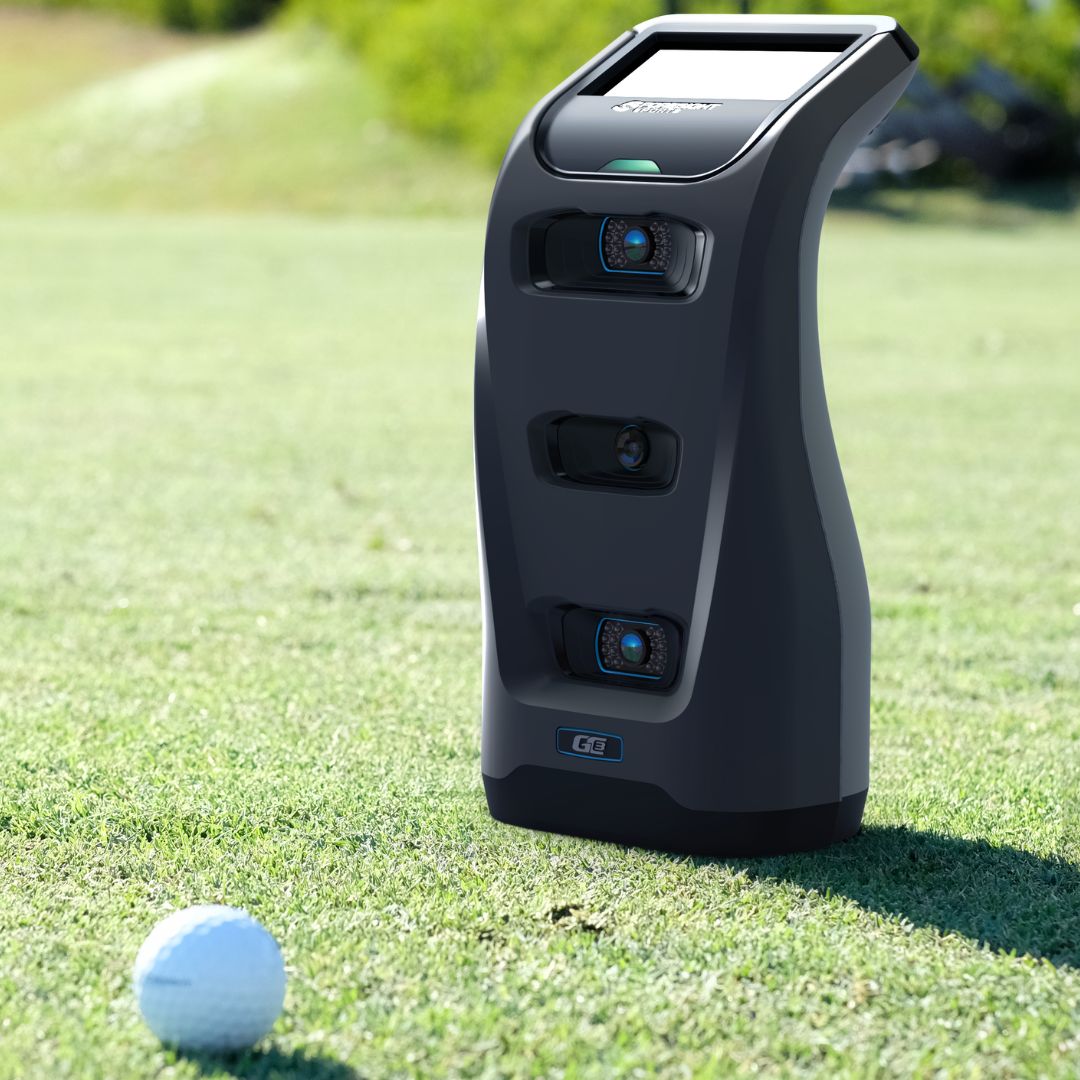
The jump from the GC2 to the GC3 is not about adding a camera as a spec upgrade. It is about going from seeing what the ball did to understanding why. The GC2's ball data tells you the shot went 30 yards right of target. The GC3 adds full club data, so you know if it was an open face, an outside path, a steep attack angle, or some combination of all three. At $6,999 with Foresight's triscopic three-camera system and an onboard touchscreen, the GC3 is for golfers who want that full picture.
Prices were checked at the time of writing and may change. Check the retailer for current pricing.
This coverage draws on manufacturer specifications, published performance data, and what real owners report from using this unit.
QUICK VERDICT
- Best for: Home golfers and instructors who want pro-grade accuracy with full club data in a portable package
- Key strength: Three cameras, full ball and club data with no add-ons, works indoors or outdoors
- Key weakness: At $6,999, overhead ceiling monitors become a competing option for dedicated rooms
- Price: $6,999
- Bottom line: The best portable photometric monitor for golfers who need club and ball data from one unit without additional add-ons.
What Three Cameras Actually Changes
The GC2 uses two cameras. The GC3 uses three. That third camera is not just about data depth. It improves read rate consistency across the full range of shot types, particularly the ones that give two-camera systems trouble: mishits, heel and toe strikes, very low spin short game shots, and chips. When you are using a monitor for real practice, those awkward shots still need reliable reads. The GC3's triscopic system handles them more consistently than a two-camera setup.
The full club data set adds club head speed, smash factor, club path, face angle, face-to-path, angle of attack, and dynamic loft alongside the complete ball data. When a shot shape does not match your intent, you have the data to trace the cause directly. That diagnostic ability is what separates the GC3 from ball-data-only monitors at a similar price.
Specs at a Glance
- Technology: Triscopic three-camera system
- Mount position: Target side of the golfer, at ball level
- Data: Full ball data and full club data
- Display: Onboard touchscreen
- Included: 1 year Foresight+ Silver subscription
- Use: Indoor and outdoor
- Price: Approximately $6,999
The Touchscreen: More Useful Than It Sounds
The onboard touchscreen is not a gimmick. For range sessions and outdoor practice, being able to review data directly on the unit without connecting to a phone or tablet is a real convenience. You are not managing a Bluetooth device or a battery-dependent tablet on a windy range day. You glance at the GC3, see your club speed, path, and ball speed, and move to the next shot.
For home simulator use, the touchscreen serves as a secondary display while your simulator PC handles the primary software. It is not critical for that use case but it is a nice-to-have when you want a quick data check without looking at the full simulator screen.
Setup follows the standard Foresight side-of-ball positioning. No ceiling mount, no room height restrictions, no overhead infrastructure. The GC3 is portable in the real sense: you can move it between your home setup, the range, and anywhere else you practice.
Who the GC3 Is For
Golfers who want Foresight accuracy with full ball and club data in a portable monitor, without stepping up to the GCQuad's $19,999 price. That is the GC3's position: more capable than the GC2, more accessible than the GCQuad.
It is a strong buy for committed home simulator builders who want full data with no add-ons needed. It is also the natural tool for club fitters who need a portable professional instrument that travels with them to fitting locations. The triscopic accuracy and full club data are what that use case requires.
At $6,999 with Foresight+ Silver included for the first year, it is a serious purchase. It makes sense when you are building a simulator setup you plan to use for years, not just a quick entry-level purchase.
GC3 vs. GCQuad: When to Step Up
The GCQuad costs $19,999. The main difference is four cameras versus three. That fourth camera adds read rate precision on the extreme shot types, heel and toe strikes, low spin chips, and unusual impact conditions where even the GC3's three cameras occasionally struggle. For professional fitting applications where every shot needs accurate data regardless of impact quality, the GCQuad's fourth camera matters.
For most home simulator golfers and even serious amateurs, the GC3's triscopic accuracy is more than sufficient. You would need to be doing professional-grade fitting work at high volume before the difference in read rate consistency between the GC3 and GCQuad becomes the deciding factor. The GCQuad's $13,000 premium over the GC3 is justified in professional applications. For home use, the GC3 delivers everything you need.
Pros and Cons
Pros:
- Full ball and club data: see the shot and understand why it happened
- Triscopic three-camera system for consistent reads on difficult shot types
- Onboard touchscreen for standalone range and outdoor use
- 1 year Foresight+ Silver included
- Portable, works indoors and outdoors
- Foresight's accuracy reputation in a mid-range portable package
Cons:
- $6,999 is a significant investment
- Subscription required after the included year
- Camera positioning requires consistent side-of-ball placement for reliable reads
How It Compares
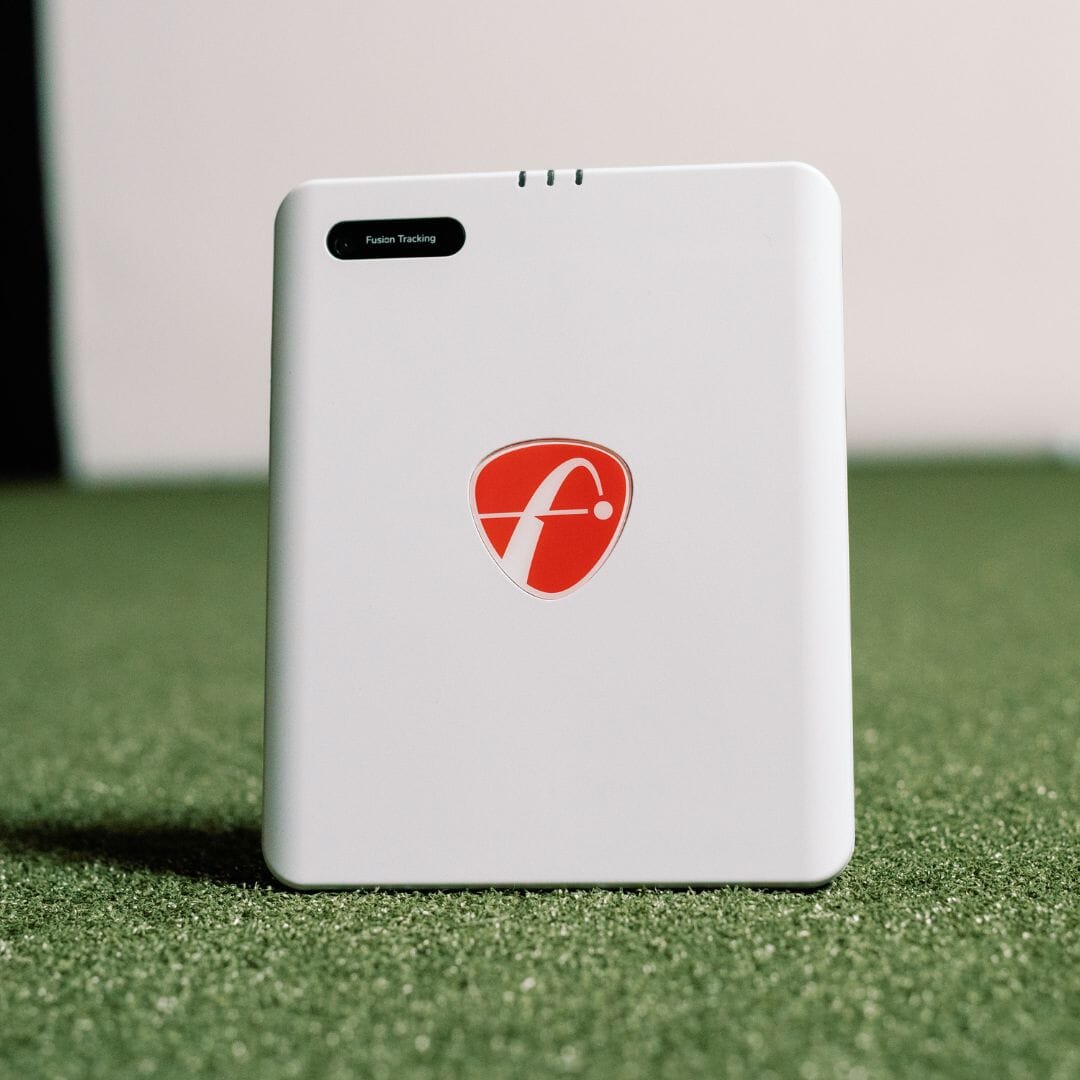
The Foresight GC2 at $1,699 gives you ball data only. The GC3 adds a third camera and full club data at $6,999. That gap is significant, but so is the diagnostic difference: the GC2 tells you what the ball did; the GC3 tells you why. For golfers who want to actively work on their swing and understand their club delivery, the GC3 justifies the difference. For golfers who primarily want simulation and ball flight feedback, the GC2 is a smarter budget decision.
The Foresight GCQuad at $19,999 adds a fourth camera for higher read rate consistency on heel and toe strikes and very low-spin short game impacts. For professional fitting volumes where every shot needs a reliable read, the fourth camera matters. For home golfers and instructors, the GC3's three-camera accuracy is well above what everyday use will expose.
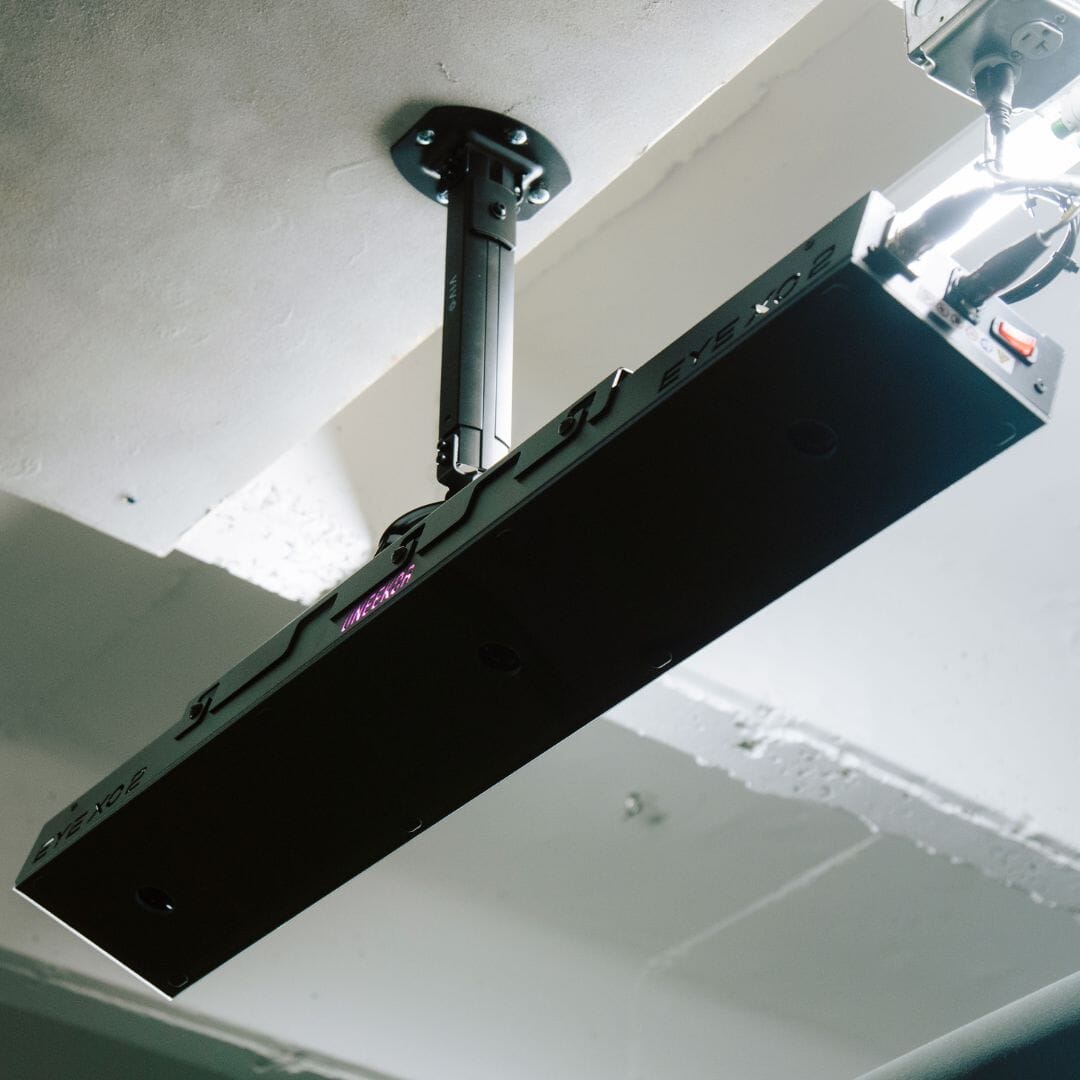
The Uneekor EYE XO2 at $9,999 is the ceiling-mount comparison. For a dedicated home sim room with adequate ceiling height, the EYE XO2 removes all floor hardware and delivers overhead tracking that the GC3 cannot replicate. The GC3 wins on portability and outdoor range use. The EYE XO2 wins if you want a permanent overhead installation and are not leaving your simulator room.
Frequently Asked Questions
How does the Foresight GC3 compare to the GC2?
The GC2 at $1,699 uses two cameras and captures ball data only, with club data available via HMT add-on. The GC3 at $6,999 uses three cameras for triscopic accuracy, captures full ball and club data with no add-ons needed, and includes an onboard touchscreen. The upgrade from GC2 to GC3 is fundamentally about adding full club data: you go from tracking shot results to diagnosing their cause. If ball data alone meets your practice needs, the GC2 is the smarter buy. If you want the full picture of what your swing is doing, the GC3 is worth the difference.
What data does the Foresight GC3 capture?
Full ball data including ball speed, spin rate, spin axis, launch angle, azimuth, and carry distance. Full club data including club head speed, smash factor, club path, face angle, face-to-path, angle of attack, and dynamic loft. Combined, that set covers everything you need for simulation accuracy and meaningful swing and equipment analysis.
Does the GC3 require special golf balls?
No. The triscopic camera system works with any standard golf ball without stickers, markings, or special ball models.
Can the GC3 be used outdoors?
Yes. The GC3 is designed for both indoor and outdoor use. The photometric camera approach works at the driving range, on the course, and in a home or commercial simulator setup. The onboard touchscreen is especially useful outdoors where managing a separate device is inconvenient.
What is the difference between the GC3 and the GCQuad?
Three cameras versus four. The GCQuad at $19,999 adds a fourth camera for higher read rate consistency on heel shots, toe shots, and low-spin short game impacts. For professional fitting applications, the fourth camera matters. For most home simulator golfers, the GC3's three-camera accuracy is well above what you will notice in everyday use. The GCQuad's $13,000 premium is justified for professional volume fitting, not for personal simulation use.
Bottom Line
The GC3 is the monitor for golfers who are serious about understanding what their swing is doing, want Foresight's proven accuracy in a portable package, and are ready to invest at the $6,999 level. The triscopic system, full club data, and onboard touchscreen are a coherent package at this price point.
If you have been practicing with ball-data-only monitors and want to level up to real diagnostic feedback on your swing, the GC3 is the meaningful step. For the home simulator builder who wants tour-quality data without the GCQuad price, it is the right call.